
John Ulett on Rock, Radio, and Music History
John Ulett fala sobre rock, rádio e história da música
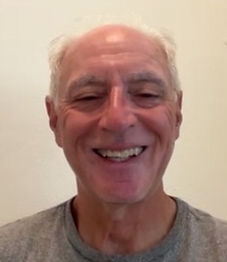
John Ulett is a well-known name in the St. Louis radio market, but his presence goes far beyond being a man behind a microphone. His smile and cordial personality have been a mainstay throughout the St. Louis community, and we are honored that he shared his positive spirit with our Portuguese publication.
John Ulett é um nome bem conhecido no panorama radiofónico de St. Louis, mas a sua presença vai muito além de ser apenas uma voz atrás de um microfone. O seu sorriso e a sua personalidade cordial tornaram-se uma referência na comunidade de St. Louis, e sentimos-nos honrados por ter partilhado o seu espírito positivo com a nossa publicação portuguesa.
When we started Coffee Time News, our goal was to meet fascinating and inspiring people who would open up and share their life journeys with us, creating a learning experience not only for our student journalists, but also for our readers.
Through our work, we have discovered that musicians — especially drummers — often possess this unique quality, and after numerous interviews with some of the nicest musicians around, we discovered a true authority on the rock industry. His name is John Ulett, and if you live in St. Louis, Missouri, that name immediately rings a bell. As a longtime radio personality for the iconic KSHE 95, he has spent decades immersed in the world of rock music and has become a true professor of the subject. We are proud to present the digital edition of our interview with him, filled with insights, experiences, and wisdom about rock music and the role it continues to play in western culture and society. This digital edition serves as a companion piece to a forthcoming printed edition, which will explore Mr. Ulett’s life story and background in greater depth, so be sure to check that out as well. Before reading, take a shot at our rock quiz, whose answers can all be discovered throughout this one-of-a-kind interview. We have also included numerous YouTube videos to help readers reconnect with some of the great music mentioned along the way. So grab a cup of coffee, sit back, and enjoy a fun ride down memory lane with the one and only John Ulett.
Quando criámos o Coffee Time News, o nosso objetivo era conhecer pessoas fascinantes e inspiradoras que estivessem dispostas a abrir-se connosco e a partilhar os seus percursos de vida, criando uma experiência de aprendizagem não apenas para os nossos alunos jornalistas, mas também para os nossos leitores.
Ao longo do nosso trabalho, descobrimos que os músicos — especialmente os bateristas — possuem frequentemente esta qualidade única e, depois de inúmeras entrevistas com alguns dos músicos mais simpáticos que conhecemos, encontrámos uma verdadeira autoridade no mundo do rock. O seu nome é John Ulett e, se viver em St. Louis, Missouri, esse nome certamente lhe soará familiar. Enquanto histórica personalidade radiofónica da emblemática KSHE 95, passou décadas mergulhado no universo do rock e tornou-se um verdadeiro professor da matéria. Temos orgulho em apresentar a edição digital da nossa entrevista com ele, repleta de ideias, experiências e reflexões sobre a música rock e o papel importante que continua a desempenhar na cultura e sociedade ocidentais. Esta edição digital funciona como complemento de uma futura edição impressa, que irá explorar de forma mais aprofundada a vida e o percurso pessoal do Sr. Ulett, por isso não deixe de a acompanhar também. Antes de começar a leitura, experimente responder ao nosso quiz de rock, cujas respostas podem ser descobertas ao longo desta entrevista verdadeiramente única. Incluímos também vários vídeos do YouTube para ajudar os leitores a redescobrir algumas das grandes músicas mencionadas durante a conversa. Por isso, prepare uma chávena de café, sente-se confortavelmente e desfrute desta divertida viagem pela memória com o inconfundível John Ulett.
BEFORE READING: Test Your Rock Knowledge... and check your answers by reading our enlightening interview with John Ulett.
Our interview started strong discussing such St. Louis bands as Mama's Pride and Pavlov's Dog.
Check out both these KSHE Klassics.
A nossa entrevista começou em grande, com uma conversa sobre bandas de St. Louis como os Mama’s Pride e os Pavlov’s Dog.
Descubra estes dois clássicos da KSHE.
YURI SUNDERMEYER: Rock seems to be very regional in its popularity. A band can seem to be extremely popular in one region, but be unknown in another. We are thinking of bands like Shooting Star and Zebra in making these observations. If you were a band's manager, what would you do to help them get into other markets or broaden their appeal?
JOHN ULETT: Yeah, those are good examples there… Shooting Star for sure. A band like Pavlov’s Dog, which came out of Saint Louis is another example… Mama’s Pride came out of Saint Louis and they were both just regionally successful bands, and a lot of times when that would happen it’s because of the record labels not being supportive enough and not spending enough money to support their albums. In the case of Pavlov’s Dog, which is a band that is very big in Europe… to this very day so I’m told… they were released on ABC Records. Their first album was released on ABC Records and there was some distribution issue, or whatever, and ABC decided not to distribute them anymore, and then Columbia Records picked it up, and then they released the album, so here you had their debut album which had their best music on it released on two totally different labels totally confusing the listener and the record buyer. They had two different covers and everything, so things like that would happen behind the scenes. The business side for some bands just wasn’t good based on the record companies either belief or lack of belief in them or financial troubles or who knows. So, to get bands to expand beyond their regional success was a difficult thing if they couldn’t get airplay in other markets around the country. Without airplay, they weren’t going to sell albums and they weren’t going to sell concert tickets, so it really did depend on how committed record companies were with bands and whether or not they could get airplay.
YURI SUNDERMEYER: O rock parece ter uma popularidade muito regional. Uma banda pode ser extremamente popular numa determinada região e, ao mesmo tempo, praticamente desconhecida noutra. Estamos a pensar em bandas como Shooting Star e Zebra, ao fazermos estas observações. Se fosse empresário de uma banda, o que faria para a ajudar a entrar noutros mercados ou a alargar o seu público?
JOHN ULETT: Sim, existem bons exemplos como Shooting Star… bandas como a Pavlov’s Dog que saiu de Saint Louis e outro exemplo, a banda Mama’s Pride que também saiu de Saint Louis e eram apenas bandas de sucesso regional. E, na maioria das vezes, quando isso costumava acontecer era devido às editoras não apoiarem o suficiente, de não despenderem o dinheiro suficiente para suportar os álbuns. É o caso do Pavlov’s Dog, que ainda é uma banda bastante famosa na Europa atualmente, digo eu. A ABC Records lançou o seu primeiro álbum, depois houve um problema na distribuição ou alguma coisa do género, e a ABC decidiu deixar de os distribuir e, entretanto, a Columbia Records assumiu o projeto, acabando por lançar o álbum. Assim, o que aconteceu foi que o álbum de estreia da banda — que continha, na verdade, a sua melhor música — foi lançado por duas editoras completamente diferentes, o que criou uma enorme confusão, tanto para os ouvintes como para os compradores de discos. Chegaram mesmo a existir duas capas diferentes para o mesmo álbum. Coisas desse género aconteciam frequentemente nos bastidores. O lado empresarial não funcionava bem para algumas bandas, quer por falta de confiança das editoras, quer por dificuldades financeiras, ou por outros motivos difíceis de identificar. Por isso, fazer com que uma banda conseguisse ultrapassar o sucesso regional e alcançar outros mercados era extremamente difícil, se não obtivesse difusão nas rádios noutras partes do país. Sem airplay, não vendiam discos nem bilhetes para concertos. No fundo, tudo dependia do grau de compromisso das editoras com as bandas e da sua capacidade de garantir essa exposição radiofónica.
Constança's question about the differences between American, European and Canadian rock yielded an insightful answer that touched on the works of numerous notable bands. Check out the following cuts by Emerson, Lake and Palmer, April Wine and Bryan Adams.
A pergunta da Constança sobre as diferenças entre o rock americano, europeu e canadiano deu origem a uma resposta bastante esclarecedora, que abordou o trabalho de várias bandas marcantes. Descubra os seguintes temas de Emerson, Lake and Palmer, April Wine e Bryan Adams.
CONSTANÇA PEREIRA: We did an interview with Marc Storace of Krokus, which is a Swiss band. Do you have any observations regarding the difference between American rock, Canadian rock and European rock? What are the rock hotbeds nowadays? Where should we go to find the best of modern hard rock?
JOHN ULETT: Where to go to find the best of modern rock? Well, I would say, and I hate to say this, since I’m a radio guy, but probably YouTube. That’s where you’re probably going to find a larger variety of music than on radio, because radio stations are niches and only play certain types of music. So, you have to go from one station to the next to the next to get any real kind of variety, but on the Internet, you choose what you want and when you want to listen, and that’s it. As far as the different styles of music, for me, the Beatles were the big thing when they first came out of England, and so England, London… those bands took America by storm. Of course, they came along after the Blues artists who invented rock and roll here in the United States. Those bands in Europe, especially the Beatles and the Rolling Stones and band like that, they took that Blues music and put a whole different spin on it and that’s what made them so successful. As far as European music goes, to me, the British Invasion was a big deal and then there were the progressive artists that came out of England as well with bands like Yes, Emerson Lake and Palmer… that’s a whole new genre of music. It’s amazing when you stop and you think that a country the size of England, or Great Britain in general, how much of an incredible amount of music came out of that country. It’s just mindboggling. I think the population there is around eighty million as opposed to the United States with 325 million and the amount of great music and iconic artists, rock artists, that came out of England versus the United States is like 3 to 1 or 4 to 1… incredible! And Canada… Canada got in the ballgame in the mid to late 70s with bands like April Wine, Prism and eventually people like Bryan Adams who came out of the Vancouver area. Their music was always higher energy, but generally had a more pop sound to it. That’s what I would say about the Canadian music. Music in the United States evolved out of Blues music and American bands were all over the place, but generally in America, it’s high energy bands that caught on like Aerosmith, Boston, REO Speedwagon and bands like that that came out of the United States. So, I would say of all the music that has evolved over the course of time, I would say that the English bands were the most influential and had the most incredible staying power of any of them.
CONSTANÇA PEREIRA: Fizemos uma entrevista com o Marc Storace dos Krokus, a banda. Tem alguma observação a fazer sobre as diferenças entre o rock americano, canadiano e europeu? Quais são os locais principais do rock, hoje em dia? Onde devemos ir para encontrar o melhor do hard rock moderno?
JOHN ULETT: Onde ir para encontrar o melhor do rock moderno? Bem, eu diria, e odeio dizê-lo, mas como sou um tipo da rádio, provavelmente é no YouTube. É onde provavelmente vais encontrar uma grande variedade de músicas, mais do que na rádio, porque as estações de rádio são nichos e só passam certos tipos de música. Então, tens de andar de estação em estação para teres alguma variedade real, mas na Internet escolhes o que queres e quando queres ouvir. Tendo em conta os diferentes estilos musicais, para mim, os Beatles eram a grande sensação quando saíram pela primeira vez de Inglaterra, e assim Inglaterra, Londres...essas bandas tomaram conta da América. Claro que vieram depois dos artistas de Blues, que inventaram o rock and roll nos Estados Unidos. Essas bandas na Europa, especialmente os Beatles e os Rolling Stones e bandas assim, pegaram na música Blues e transformaram-na completamente, e foi isso que as fez tão bem sucedidas. Tendo em conta a música europeia, para mim, a invasão britânica foi um problema e depois também existiam os artistas progressistas que vieram do Reino Unido, bem como bandas como Yes, Emerson Lake e Palmer… é todo um novo género musical. É incrível quando paras e pensas que um país do tamanho da Inglaterra, ou da Grã Bretanha em geral, quanta música incrível saiu desse país. É chocante. Penso que a população lá é cerca de 80 milhões, enquanto que a dos Estados Unidos é de 325 milhões e a quantidade de música incrível e artistas icónicos, artistas rock, que vieram de Inglaterra, comparando com os que vieram dos Estados Unidos é de 3 para 1 ou 4 para 1...incrível! E o Canadá… O Canadá entrou em jogo no meio ou no final da década de 70, com bandas como April Wine, Prism e eventualmente pessoas como o Bryan Adams que vieram da área de Vancouver. A sua música era sempre de uma energia mais alta, mas, generalizando, tinha um som mais pop. É o que eu diria sobre a música canadiana. A música nos Estados Unidos desenvolveu-se a partir do Blues e as bandas americanas estavam em todo o lado, mas normalmente na América, foram as bandas com uma grande energia que ficaram, como os Aerosmith, Boston, REO Speedwagon e bandas como essas que vieram dos Estados Unidos. Então, de toda a música que se desenvolveu ao longo dos tempos, diria que as bandas inglesas foram as mais influentes e as que tiveram o maior poder de permanecerem entre todas elas.
Eric Clapton was a name frequently mentioned in our interview with Mr. Ulett.
O nome de Eric Clapton surgiu frequentemente ao longo da nossa entrevista com o Sr. Ulett.
AFONSO MARQUES: If you were to convert someone into a classic rock fan, which five songs would be a part of their catechism?
JOHN ULETT: To convert someone into a rock fan? Okay, I would say “Layla” by Derek and the Dominos. I would say “Closer to the Edge” by Yes. I would say “Sympathy for the Devil” by the Rolling Stones. I would say “I Want to Hold Your Hand” by the Beatles. And how about something from the Allman Brothers with their blues-country type genre, like “Not My Cross to Bear”. I wanted to get the whole spectrum there for you.
AFONSO MARQUES: Se fosse convencer alguém para ficar fã de rock clássico, quais seriam as cinco músicas que fariam parte da sua lista?
JOHN ULETT: Para converter alguém num fã de rock? Ok, eu diria “Layla” de Derek e os Dominos. Eu diria “Closer to the Edge” dos Yes. Diria “Sympathy for the Devil” dos Rolling Stones, “I Want to Hold You Hand” dos Beatles. E talvez algo dos Allman Brothers, com o seu género do tipo blues-country, como “Not My Cross to Bear”. Gostaria de mostrar-te todos, de forma completa.
Coffee Time News loves its drummers, and John Ulett introduced us to the work of Bill Lordan, a drummer we were not familiar with before.
Check out his playing with Robin Trower on the following two songs, and thank you, Mr. Ulett, for the excellent recommendation.
O Coffee Time News adora bateristas, e John Ulett apresentou-nos o trabalho de Bill Lordan, um músico que ainda não conhecíamos.
Confiram o seu trabalho com Robin Trower nas duas músicas a seguir, e muito obrigado ao Sr. Ulett pela excelente recomendação.
YURI SUNDERMEYER: We have interviewed numerous drummers. Who is a drummer you particularly liked meeting? Do you have any memories regarding the drummers we have interviewed: Michael Shrieve, Albert Bouchard, Alvin Taylor, Cherisse Osei, Paul Garisto, Poogie Bell among others?
JOHN ULETT: I’ve been a part of an interview that took place with Michael Shrieve. It was a long time ago and it was on the telephone. Those interviews generally don’t stick with you as well as the ones when you meet them in person and one-on-one. The first interview I ever did was with a drummer. It was Bill Lordan and he was Robin Trower’s drummer and was also in a band called Gypsy out of Minneapolis, Minnesota, and so that was the very first interview that I ever did as a young broadcaster at KSHE in 1976, and he’s still around. He is just a fantastic player. Other drummers along the way that I’ve interviewed… well, I’ve interviewed on the phone Phil Collins… Phil Collins of Genesis. He’s one of the greatest drummers of all time and a great songwriter and singer. You talk about a multitalented person… Phil Collins is it. Oh, Carl Palmer of Emerson Lake and Palmer… fantastic drummer and I’ve been able to interview and talk with Carl Palmer over the years and he was innovative in the world of drums and in progressive rock, because a progressive rock drummer… I don’t know how they did it… they would work harder than anybody else. One of my early interviews, and a guy I got to meet who became, maybe the best drummer in the history of rock and roll, and in the eyes of many people, was Neal Peart of the band Rush. That guy was incredible and there’s a picture of he and I in the KSHE studios in 1977, or around there, and we both had fantastic heads of hair and he went on to be an incredible player who sat in the middle of his drum set and the drums were all around him like a complete circle and stacked up high and he was the main lyric writer for the band Rush as well on top of all that. So, those were some of the drummers I got meet over the years that went on to be great players. They are a unique group of guys. The drummers always seem to be the most jovial of the guys in the band, at least to me. I don’t know what it is, maybe it’s their ability to keep their rhythm or something.
YURI SUNDERMEYER: Nós já entrevistámos muitos bateristas. Qual é o baterista que particularmente gostou mais de falar? Tem alguma memória sobre os bateristas que nós já entrevistámos: Michael Shrieve, Albert Bouchard, Alvin Taylor, Cherisse Osei, Paul Garisto, Poogie Bell, entre outros?
JOHN ULETT: Já fiz parte de uma entrevista com o Michael Shrieve. Já foi há muito tempo e foi por telefone. Essas entrevistas geralmente não ficam contigo como as entrevistas em que te encontras com as pessoas pessoalmente. A primeira entrevista que eu fiz, foi com um baterista. Foi o Bill Lordan, era o baterista da banda do Robin Trower e também fazia parte de outra banda chamada Gypsy, de Minneapolis em Minnesota. Essa foi a primeira entrevista que fiz quando era ainda um jovem locutor na KSHE, em 1976, e ele ainda está vivo. É um baterista fantástico. Outros bateristas pelo caminho… bem, eu já entrevistei o Phil Collins pelo telefone… Phil Collins do Genesis. Ele é um dos melhores bateristas de todos os tempos, e também um bom escritor e cantor. Se estiveres a falar sobre uma pessoa multi-talentosa… Phil Collins é essa pessoa. Ah, o Carl Palmer do Emerson Lake and Palmer… baterista fantástico, eu já entrevistei e falei com o Carl Palmer ao decorrer dos anos e ele era muito incentivante no mundo da bateria e no rock progressivo, porque um baterista do rock progressivo… eu não sei como eles o fizeram… podiam trabalhar mais do que qualquer outro. Uma das minhas primeiras entrevistas foi com alguém que tive a oportunidade de conhecer e que se tornou, talvez, o melhor baterista da história do rock and roll — e, na opinião de muitas pessoas, foi o Neal Peart, da banda Rush. Esse homem era incrível, e há uma foto nossa no estúdio da KSHE, em 1977 ou por essa altura. Os dois tínhamos cabeleiras fantásticas. Ele viria a tornar-se um músico extraordinário, sentado no centro da sua bateria, com os tambores à sua volta, quase como um círculo completo, empilhados bem altos. Além disso, era também o principal compositor da banda Rush. Então, estes são alguns dos bateristas que tenho conhecido ao longo dos anos, que eram ótimos bateristas. Eram um grupo único de rapazes. Os bateristas pareciam ser sempre os mais alegres da banda, pelo menos para mim. Eu não sei porquê, talvez pela sua capacidade de manter o ritmo, ou alguma coisa assim.
e todos.
TOMÁS MELO: What was the last album you remember buying?
JOHN ULETT: Oh, the last album I remember buying. That’s a good question, because as I am in the radio business, we get our albums given to us for free. So, I have a really nice collection of albums that I never paid one penny for. But the last one I remember buying, that is hard to say, because I never really bought many albums. Now, I buy my music individually… individual songs. I would say the last album was the album that was given to me, but that was free too, when Apple put the U2 album on their platform for free for everybody. That was controversial. I can’t remember the last album I bought. That’s a good question; you stumped me. I do remember the first song I ever bought on vinyl, which was a song “Brown Sugar” by the Rolling Stones. I bought that 45 in 1968, so that’s the first one I bought.
TOMÁS MELO: Qual foi o último álbum que comprou?
JOHN ULETT: Oh, o último álbum que comprei? Isso é uma boa questão, porque como eu estou na indústria da rádio, nós recebemos os nossos álbuns sem pagar. Por isso, eu tenho uma coleção muito boa de álbuns, onde não paguei um único cêntimo. Mas o último que me lembro de comprar, isso é difícil de dizer, porque nunca comprei realmente muitos álbuns. Agora, eu compro a minha música individualmente… músicas individuais. Eu diria que o último álbum foi o álbum que me ofereceram, mas esse também foi de graça, quando a Apple colocou o álbum dos U2 na sua plataforma gratuitamente para toda a gente. Isso foi controverso. Não me lembro do último álbum que comprei. É uma boa pergunta, deixaste-me sem resposta. Mas lembro-me da primeira música que comprei em vinil, que foi “Brown Sugar”, dos Rolling Stones. Comprei esse single em 1968, por isso, foi o primeiro que comprei.
The U-Man didn't recall the last album he bought, but he definitely remembers fondly the first one, which we have included below.
O U-Man não se lembrava do último álbum que comprou, mas certamente guarda com carinho a memória do primeiro, que incluímos abaixo.
The U-Man talked about how music can take you back in time and while he talked about that he touched on the music of Robert Palmer and Todd Rundgren who have many underappreciated songs. Enjoy the two we have shared below.
O U-Man falou sobre como a música nos pode fazer recuar no tempo e, ao falar disso, mencionou as músicas de Robert Palmer e Todd Rundgren, dois artistas com muitas canções subestimadas.
Aproveitem as duas que compartilhamos abaixo.
AFONSO MARQUES: Hello. I am Afonso. I wanted to ask: Does music have a time-traveling quality to it? How often do you hear a song and feel transported to another time of your life? Which song has that kind of impact on you? If several do, which one has the strongest effect?
JOHN ULETT: Oh my goodness! There have been so many I liked like the progressive music back in the 1970s with bands like Yes where one song could take up an entire side of an album, which would be like twenty minutes. “Close to the Edge” is a great album and that song takes up one side of that entire album and I loved that. I love songs that have powerful messages in them. “Every Kinda People” by Robert Palmer is a song that has stood out for me over time. It takes every kind of people to make the world go around, and that is so true. U2 has so many powerful songs from their past that I always found very interesting. “Pride (In The Name of Love)”, which is a song referencing Martin Luthur King, who was a great civil right leader in the United States. Those are some that pop into my head… some off the top of my head today. I’ve loved so many songs over the years. Todd Rundgren has also always been a great artist that I’ve interview a couple of times. He was a child prodigy. “Hello, It’s Me” by Tood Rundgren is another song I’ve always loved. Oh my God, the Beatles, holy cow, there are so many Beatles songs that mean so much to me over the years. “Lady Madonna”. It was the Beatles, when I saw them on The Ed Sullivan Show making their first appearance in 1964, that’s what hooked me on rock music.
AFONSO MARQUES: Olá. Sou o Afonso. Queria perguntar se a música tem uma espécie de capacidade de nos fazer viajar no tempo? Com que frequência ouves uma canção e te sentes transportado para outra fase da tua vida? Que música tem esse tipo de impacto em ti? Se houver várias, qual é a que provoca o efeito mais forte?
JOHN ULETT: Oh meu Deus! Já houve tantas, eu gostava da música progressiva nos anos 70, tipo a banda Yes, é uma das músicas que podia ocupar um lado inteiro de um álbum, e seria tipo vinte minutos. “Close to the Edge” é um bom álbum e essa música “Close to the Edge” ocupa metade daquele álbum, e eu gosto disso. E gosto de músicas de têm mensagens poderosas dentro delas. “Every Kinda People” de Robert Palmer é uma música que se destacou para mim, ao longo dos anos. Precisamos de todos os tipos de pessoas para fazer o mundo girar, isso é verdade. U2 também tem muitas músicas poderosas do seu passado, que eu sempre achei muito interessante. “Pride (In the Name of Love)” que é uma música que refere Martin Luther King como um grande líder que lutou por direitos civis nos Estados Unidos da América. Esses são alguns que aparecem na minha cabeça hoje… no topo da minha memória. Eu adorei tantas músicas ao longo dos anos! Todd Rundgren sempre foi um grande artista, eu já o entrevistei várias vezes, era uma criança prodígio. “Hello, It’s Me” de Todd Rundgren é outra música que sempre gostei. E, meu Deus!! The Beatles! Há tantas músicas dos Beatles que significam muito para mim ao longo destes anos. “Lady Madonna”. Foram os Beatles, quando os vi no Ed Sullivan Show, a fazer a sua primeira aparição em 1964, isso foi o que me cativou na música de rock.
John Ulett has been instrumental in keeping powerful and meaningful classic rock songs relevant and in the public eye. His Sunday KSHE Klassics Show has been going strong for decades. The St. Louis Classic Rock Preservation Society also plays an important role in ensuring that some of the best music ever made is never forgotten.
John Ulett tem sido fundamental para manter canções clássicas do rock, poderosas e marcantes, relevantes e presentes no olhar do público. O seu programa dominical, o KSHE Klassics Show, continua firme há décadas. A St. Louis Classic Rock Preservation Society também desempenha um papel importante para garantir que algumas das melhores músicas já feitas nunca sejam esquecidas.
MARIA ALVES: Are you personally involved in the St. Louis Classic Rock Preservation Society? We looked at their list of songs and we have two classic rock songs we particularly like. One is Aphrodite's Child "The Four Horsemen" and the other is JF Murphy and Salt's "The Last Illusion". Do you remember playing these songs on air when they first came out? Do you feel songs like this benefit from the presence of YouTube that might give them a new life to younger fans?
JOHN ULETT: Well, yeah, let’s see, Aphrodite’s Child came out before I started working at KSHE, as did JF Murphy and Salt. Those were early 70s releases. I got to KSHE in 1976, but they were still songs and albums that our listeners were excited about, even though they were just maybe five or six years old by the time I got there. But, yeah, as a matter of fact on my Klassics Show that I still do on Sunday mornings on KSHE, I still play JF Murphy and Salt and their song “The Last Illusion”, and I still play songs from that Aphrodite’s Child album 666 like “Break” and “The Four Horsemen” that you mentioned. They still linger on with our older listeners as great KSHE Klassics that you can only hear really on KSHE radio in Saint Louis. I doubt there are any other radio stations in the country, maybe even the world, playing that music anymore.
And the Saint Louis Preservation Society is here in Saint Louis and they induct people into their Hall of Fame every year. They just inducted a friend of mine a couple of weeks ago and I’ve been there for a while. Locally, in Saint Louis, it is an organization that does carry some weight with our rock fans, but only here in Saint Louis.
MARIA ALVES: O Sr. está pessoalmente envolvido no St. Louis Classic Rock Preservation Society? Nós vimos a lista de músicas deles e temos duas músicas de rock clássico que gostamos particularmente, uma delas é dos Aphrodite’s Child “The Four Horsemen” e a outra é do JF Murphy e Salt “The Last Illusion”. Lembra-se de pôr estas músicas no ar, quando saíram pela primeira vez? Acha que músicas como estas são beneficiadas na presença do YouTube, que pode dar uma nova vida para os fãs mais jovens?
JOHN ULETT: Bem, sim, vamos ver, Aphrodite’s Child saiu antes de eu estar a trabalhar na KSHE, assim como JF Murphy and Salt. Estes foram lançamentos do início dos anos 70. Eu cheguei ao KSHE em 1976, mas ainda eram músicas e álbuns com os quais os nossos ouvintes estavam animados, mesmo que tivessem apenas cinco ou seis anos quando cheguei lá. Mas sim, na verdade, no meu Classic Show que ainda faço nas manhãs de domingo no KSHE, ainda toco JF Murphy and Salt e a música “The Last Illusion”, e ainda toco música daquele álbum Aphrodite’s Child 666, como “Break” e “The Four Horsemen” que mencionou. Eles ainda permanecem com os nossos ouvintes mais velhos, como grandes clássicos KSHE, que só se pode ouvir na rádio KSHE em St. Louis, duvido que hajam outras estações de rádio no país, talvez até no mundo, a tocar mais essas músicas. E o St. Louis Preservation Society está aqui em Saint Louis e eles induzem pessoas no Hall da Fama todos os anos. Acabaram de introduzir um amigo meu, há algumas semanas e estão lá há algum tempo. Localmente, Saint Louis é uma organização que carrega algum peso nos nossos fãs do rock, mas apenas aqui em Saint Louis.
HENRIQUE BORRECHO: We also noticed that Aphrodite’s Child’s song “The Four Horsemen” has been covered by newer artists. Why has that song gotten covered but not the JF Murphy and Salt’s song?
JOHN ULETT: It’s hard to say really. Who knows why one song catches fire while another one that might seem just as good doesn’t catch fire. There are plenty of examples of that out there. I mean, even the records companies and the artists themselves will tell you when they’re putting their music out, they’ll think a certain song off the album will be a huge hit and be successful and another one is not going to do that well and the opposite will happen. So, there’s no expert even within the bands that make the music and the record companies that produce them and record them and put them out. Even amongst them, they make mistakes on what songs are going to be received by the audience and which ones aren’t. It’s really, really hard to say. Now, I will say that Aphrodite’s Child, first of all, they were a band out of Greece, so they had a more international flavor about them than JF Murphy and Salt did. So, maybe there was something to that. That’s the only thing I could think of that would make the difference between those two songs.
HENRIQUE BORRECHO: Também notámos que a canção dos Aphrodite’s Child “The Four Horsemen” foi alvo de covers por artistas mais recentes. Porque é que essa canção foi alvo de covers e a canção do JF Murphy and Salt não?
JOHN ULETT: É difícil dizer, na verdade. Quem sabe porque é que uma canção pega fogo, enquanto outra, que é igualmente boa, não? Há muitos exemplos disso por aí. Quer dizer, mesmo as editoras discográficas e os próprios artistas diriam, quando lançam a sua música, que acham que uma determinada canção do álbum será um grande sucesso e terá sucesso e outra não se sairá tão bem (e o oposto acontecerá). Portanto, não há especialistas, mesmo dentro das bandas que fazem a música e das editoras discográficas que as produzem, gravam e lançam. Mesmo, entre eles, cometem erros sobre quais canções serão recebidas pelo público e quais não serão. É muito, muito difícil dizer. Agora, direi que os Aphrodite’s Child, antes de mais nada, eram uma banda da Grécia, então tinham um sabor mais continental do que os JF Murphy and Salt. Então, talvez houvesse algo nisso. Essa é a única coisa em que consigo pensar, que faria a diferença entre essas duas canções.
CONSTANÇA PEREIRA: I hope you are enjoying the interview so far. You know, we noticed your station has supported artists in a variety of ways over the years including sponsoring concerts like one we found you did in 1991 or 1992 for The Blessing where the vocalist, William Topley, even was quoted as saying: “We have heard so much about this KSHE business that we really want to get to St. Louis and see for ourselves what the reactions of the people are.” Does your station still do events like this? Right now, what is the best way your station can help an artist get a foothold in today's market?
JOHN ULETT: Well, yes, I do remember the Blessing. I remember that band and that night at Mississippi Nights. I was at that show, as a matter of fact, with some friends. Radio, in general, for decades was very important for musicians to get their music played so they could sell records and eventually sell concert tickets. It’s changed now. Radio is still somewhat helpful for new artists on Top-40 radio, but a radio station like KSHE… we’re a classic rock station, so we don’t play new music anymore. We don’t help break bands anymore like we used to. But in the 60s, 70s, 80s and early 90s, KSHE did a lot of that and the Blessing was one of the bands that benefitted from that for a little while. But I’m talking about bands like Journey, Black Sabbath, Styx, REO Speedwagon, Eric Clapton, Derek and the Dominoes, Billy Joel… KSHE started playing their music early when other stations weren’t really touching them. And we helped them with other radio stations around the country of course. But in the Midwest, KSHE was very instrumental in helping those bands eventually become superstars. So, it’s something we prided ourselves on and the bands knew about that and they knew how powerful radio was and they knew how some radio stations like KSHE carried a lot of weight in certain areas of the country, so they came and did interviews with us all the time. I would be working at the radio station in the mid-1970s and at any given time an artist who is a superstar now, who wasn’t then, would just come in and say, “Hey, what’s going on? Let’s do an interview.” So, we’d put them on the air and we’d horse around and we’d talk with them and it was exciting and fun. You didn’t know what was going to happen on any given day you showed up for work and who might show up and be there and what new music was going to come out. That would be exciting, so that time period was very special and radio was it. Radio was the only way a musician would get their music out, and now it’s changed with the Internet and other ways artists can get their music out. Unfortunately, some of them now, even the ones that we helped to make superstars will turn us down for interviews now saying, “Ah, I don’t need to do that anymore.” It kind of shows their character, I guess.
CONSTANÇA PEREIRA: Espero que o senhor esteja a gostar da entrevista, até agora. Reparámos que a sua estação apoiou artistas de várias maneiras ao longo dos anos, incluindo a patrocinar espetáculos, como um que descobrimos que o senhor fez em 1991 ou 1992, The Blessing, onde o vocalista, William Topley, até foi citado a dizer: “Ouvimos tanto sobre esse negócio da KSHE, que realmente queríamos chegar a Saint Louis e ver por nós mesmos quais são as reações das pessoas.” A sua estação ainda faz eventos como este? No momento, qual é a melhor maneira da sua estação ajudar um artista a entrar no mercado atual?
JOHN ULETT: Ok, bem, sim, eu lembro-me dos The Blessing. Eu lembro-me dessa banda e dessa noite em Mississippi Nights. Eu estava nesse espetáculo, na verdade, com alguns amigos. A rádio, na generalidade, era muito importante para os músicos terem as suas músicas no mercado, para poderem vender discos e, eventualmente, venderem bilhetes para concertos, por décadas. Está diferente agora, a rádio continua mais ou menos útil para novos artistas, no top 40 da rádio. Mas uma estação de rádio como a KSHE, somos uma estação do rock clássico, por isso não tocamos músicas novas. Nós já não ajudamos bandas a tornarem-se famosas, como ajudávamos antes. Mas nos anos 60, 70, 80 até início dos 90, a KSHE ajudou muitas bandas a evoluir e a banda The Blessing foi uma das bandas que beneficiou disso por algum tempo, mas estou a falar de bandas como Journey, Black Sabbath, Styx, REO Speedwagon, Eric Clapton, Derek and the Dominoes, Billy Joel… A KSHE começou a tocar e a promover as suas músicas mais cedo, enquanto as outras estações de rádio não ligaram muito e nós ajudávamos outras estações de rádio por todo o país, claro. Mas no Midwest, a KSHE era muito importante por ajudar essas bandas a tornarem-se famosas. Então, isso é uma coisa de que nos orgulhamos, e as bandas sabiam disso e sabiam quanto poder a rádio tinha, sabiam que algumas estações de rádio como a KSHE tinham muito peso em certas áreas do país, por isso vieram e faziam entrevistas connosco o tempo todo. Eu estaria a trabalhar na estação de rádio em meados da década de 70, e, a qualquer momento, uma artista que é uma superestrela agora, antes não era, simplesmente entrava e dizia: “Ei, o que está a acontecer? Vamos fazer uma entrevista.” Então, nós divertíamo-nos, conversava com eles, e era muito empolgante. Não sabias o que iria acontecer num determinado dia, quem poderia aparecer e estar lá, e que música nova iria sair. Isso era emocionante, então esse período de tempo foi muito especial. E a rádio era o único meio para um músico fazer a sua música chegar ao público, mas agora com a Internet existem outras maneiras de publicar as suas músicas. Infelizmente, agora alguns deles, até aqueles que nós tornámos famosos desistem de fazer entrevistas e dizem que já não precisam disso para nada. E isso mostra o seu carácter, acho eu.
The power of KSHE helped break many new bands and propel established acts into superstardom. One band they strongly supported in the early 90s was The Blessing. John Ulett and his colleagues recognized the band’s potential and helped promote them. They were one of many groups that benefited from KSHE’s support. Below is one song by The Blessing that we found particularly good.
O poder da KSHE ajudou a revelar muitas bandas novas e a impulsionar artistas já conhecidos ao estrelato. Uma das bandas que recebeu grande apoio da rádio no início dos anos 90 foi The Blessing. John Ulett e os seus colegas reconheceram o potencial da banda e ajudaram a promovê-la. Eles foram um dos muitos grupos que se beneficiaram do apoio da KSHE.
Abaixo está uma música de The Blessing que consideramos particularmente boa.
John Ulett and KSHE prided themselves on their loyalty to the bands they played and appreciated the love they gave back to them. The U-Man spoke fondly of acts such as Styx and Bob Seger.
John Ulett e a KSHE sempre tiveram orgulho da lealdade que demonstravam às bandas que tocavam e valorizavam o carinho e a dedicação que recebiam de volta. O U-Man falou com muito carinho de artistas como Styx e Bob Seger.
TOMÁS MELO: Following up on Constança’s question, n the same article with the Blessing, David Surkamp wrote, “In the past, acts such as Bob Seger, Journey, Sammy Hagar and Ted Nugent have all benefited from St. Louis radio airplay. With KSHE radio firmly behind the Blessing… fingers are crossed for a breakout.” Are there any bands you would like to add to this list that you felt KSHE helped to “break out”?
JOHN ULETT: Let me talk about those you listed. Sammy Hagar, for instance, he was an artist who was in a band called Montrose and their first record came out and it was a good rock and roll record and we played quite a bit of it, but after that first album they started to fade and Sammy Hagar’s career started to fade and he became a solo artist and he was having trouble getting airplay around the country, but in Saint Louis, we loved him. We loved him in Montrose, so we started playing his solo music and Sammy Hagar became a superstar in the Midwest, because of KSHE and because of his success as a solo artist he ended up being able to get on with Van Halen and become the lead singer for that band for a good ten years. So, he’s a really good example of what KSHE radio was able to do for on particular artist and to this day Sammy Hagar has always been grateful for what KSHE radio did for him back in the late 70s, and through the 80s. He is a superstar in Saint Louis and he sells out a main concert venue in Saint Louis every year he comes because of his association with KSHE radio. Bob Seger also was a guy who was struggling, a Midwesterner out of Detroit and he struggled for a long time, and KSHE kept playing his music and eventually because of his persistence he eventually made it with the help of KSHE radio and the same goes for Journey. I mentioned Journey earlier and there’s Ted Nugent as well. Let me think of some others. There’s Styx, for instance, out of Chicago. Dennis Deyoung and Tommy Shaw were the main songwriters in the band Styx and they were a Midwest band that was struggling and they know how important KSHE radio was for them to be able to make it out of the Midwest and we played their music a ton and eventually Styx was able to breakthrough and become the superstars that they are now. REO Speedwagon was a band that came out of Peoria, Illinois and KSHE loved that band and they were somewhat local, so we took to them and started playing their music and REO Speedwagon had a huge album in 1978 called Hi Infidelity, and you should check that one out. It’s a great pop-rock record. So, the list goes on and on. I don’t know if you’re familiar with Eric Clapton and Derek and the Dominoes. They put out an album called Layla and Other Assorted Love Songs. There’s a song on that called “Layla”, which is a huge classic rock song. It’s about a seven and a half minute song and that song was nothing for a long period of time, but we at KSHE were using that song as an intro for our newscasts. We weren’t playing the entire song; we were just using it as an intro to the newscasts and the record company called us and said, “Hey, the song ‘Layla’… we can’t get it played anywhere in the country, but for some reason it’s selling like crazy in Saint Louis. Why would that be?” Our station manager said, “Well, we’re using it as our intro to our newscasts, so maybe people caught on that way.” And that’s what was happening. So the label said, “Wow! We’ll emphasize that song more and see if we can’t get that to break”, and that song did break all around the country and all around the world as one of the greatest classic rock songs of all time. “Layla”.
TOMÁS MELO: Continuando a pergunta da Constança, no mesmo artigo sobre The Blessing, David Surkamp escreveu: “No passado, artistas como Bob Seger, Journey, Sammy Hagar e Ted Nugent beneficiaram da divulgação nas rádios de Saint Louis. Com a rádio KSHE a apoiar firmemente o The Blessing, estamos com esperança de que tenham um grande êxito.” Há outras bandas que acha que a KSHE ajudou a alcançar fama?
JOHN ULETT: Deixa-me falar sobre esses que mencionaste. Sammy Hagar, por exemplo, fazia parte de uma banda chamada Montrose, o seu primeiro álbum saiu e era um bom disco de rock and rol e passámo-lo bastante. Mas depois desse primeiro álbum, eles começaram a perder força e a carreira do Hagar esmoreceu, tornando-se um solista. Ele estava com dificuldades em conseguir divulgação nas rádios pelo país, mas em Saint Louis, nós adorámo-lo. Nós adorámo-lo nos Montrose, nós começámos a tocar a sua música de solo e Sammy Hagar transformou-se numa estrela do Midwest, por causa da KSHE. Pelo seu sucesso como solista, conseguiu entrar nos Van Halen e tornou-se no vocalista da banda por uns bons dez anos. Por isso, este é um bom exemplo do que a KSHE era capaz de fazer por um artista particular e, até hoje, o Sammy Hagar foi sempre grato pelo que a KSHE conseguiu fazer por ele nos anos 70 e 80. Ele agora é uma estrela em Saint Louis e esgota locais principais em concertos, todos os anos volta pela sua associação com a rádio KSHE. Bob Seger também foi um homem com problemas, um Midwesterner de Detroit, que tentou por muito tempo. A KSHE continuava a tocar as suas músicas e, eventualmente, pela sua persistência ele conseguiu com a ajuda da KSHE. Eu mencionei Journey antes, e, também Ted Nugent. Deixa-me pensar em mais alguns. Há o Styx, por exemplo, de Chicago. Dennis Deyoung e Tommy Shaw, um dos principais compositores da banda Styx, e eles eram uma banda do Midwest que estava com problemas. Eles sabem quão importante a KSHE era para eles, para conseguirem ter fama fora de Midwest. Nós divulgámos muito a sua música e, eventualmente, Styx conseguiu dar a volta e tornaram-se nas estrelas que são hoje. REO Speedwagon foi uma banda que veio de Peoria, Illinois e a KSHE adorava aquela banda. Eles eram mais ou menos da nossa região, então criámos uma ligação com eles e começámos a tocar a música deles. A REO Speedwagon teve um álbum gigante em 1978 chamado Hi Infidelity, e tu devias ouvir essa. É uma boa gravação de Pop-Rock. Então, a lista continua e continua. Não sei se está familiarizado com o Eric Clapton e os Derek and the Dominos. Eles lançaram um álbum chamado Layla and Other Assorted Love Songs. Há uma música chamada “Layla”, que é uma música de rock clássico gigante. Tem mais ou menos sete minutos e meio e essa música não foi nada por um período de tempo, mas na KSHE usávamos essa música como abertura dos nossos noticiários e o estúdio de gravação ligou-nos e disse, “Aquela música ‘Layla’, nós não podemos tocá-la em nenhum sitio do pais, mas por alguma razão está a vender muito em Saint Louis. Por que é que isso aconteceria?” O nosso gerente da estação disse, “Bem, nós estamos a usar essa música como a nossa intro para os nossos noticiários, por isso algumas pessoas apanharam a música pelo caminho.” E era isso que estava a acontecer. Por isso a editora disse, “Uau. Vamos dar mais destaque a essa música e ver se conseguimos fazê-la estourar.” E a música acabou mesmo a estourar em todo o país e no mundo inteiro como uma das maiores canções de classic rock de todos os tempos: Layla.
CONSTANÇA PEREIRA: Excuse me, I just wanted to go back to my question and clarify if KSHE is doing much in the way of sponsoring concerts or events along those lines?
JOHN ULETT: We don’t really support new bands like we used to. We don’t play new music and haven’t played new music since back around the year 2000. At that time, we really started backing off playing new music to the point where we play none anymore, but those were big events and people got in them for free, or for ninety-five cents, or maybe a dollar ninety-five, because we’re KSHE 95. So, those were exciting times. The Blessing never really made it big. There were plenty of bands that KSHE pushed that did not become successful. They were kind of one of them although they may still be around, but they never really became a big band.
CONSTANÇA PEREIRA: Desculpe, queria voltar à minha pergunta e esclarecer se a KSHE está a trabalhar para patrocinar espetáculos ou eventos nesse sentido?
JOHN ULETT: Nós não apoiamos novas bandas como costumávamos fazer. Não tocamos músicas novas desde o ano 2000. Naquela época, começámos a desistir de tocar músicas novas, a ponto de não tocarmos mais nenhuma, mas esses eram grandes eventos e as pessoas entravam neles de graça, ou por noventa e cinco cêntimos, ou talvez um dólar e noventa e cinco, porque somos KSHE 95. Então, aqueles foram tempos emocionantes. The Blessing nunca se tornou muito grande. Havia muitas bandas que a KSHE empurrou, mas que não se tornaram tão bem-sucedidas. Eles eram um deles, embora ainda possam estar por perto, mas nunca se tornaram realmente uma grande banda.
MARIA ALVES: Also, due to previous interviews we learned about the tragic story of Jaco Pastorius and studied a bit about him. In preparing for this interview we came across the tragic story of Free’s Paul Kossoff. Is there anything you would have to say about either of them? Also, over the decades, how do you think musicians’ relationship with drug use and abuse has changed?
JOHN ULETT: Well, Mr. Pastorius, I’m not that familiar with him, but Paul Kossoff was in the band Free. He was a member of that band and I’m pretty sure that it was drug abuse or alcohol abuse that led to his early demise, which was the case, unfortunately, with quite a few rock stars, and even some of the ones who survived were heavy users of drugs and alcohol back in those days, and a lot of them swear that because they did those drugs that’s what made them successful and made them more creative. Eventually, unfortunately, when you play with fire, sometimes people get burned and that’s what happened to numerous people in the rock world with that. I saw it firsthand in the radio business. Numerous radio people who generally get in the radio business in the first place had to have this “look at me” type attitude, so there’s a lot of times that people in the radio business have an inferiority complex to begin with. So, they already have low self-esteem or lack of self-confidence in a lot of cases and that’s why they try to be on radio, because it made them feel better about themselves maybe, and once they found radio wasn’t the answer to their difficulties and struggles, then they turned to drugs and alcohol and that’s a dead end road too. Cocaine back in the 80s and 90s was all over the place in the radio business. Record promoters would come in with cocaine and they’d snort cocaine and that’s how records sometimes got played. Music got played because the record promoters and the program director or music director… they were buddies with their drugs. Sometimes it wasn’t a pretty sight.
MARIA ALVES: Além disso, devido a entrevistas anteriores, ficámos a conhecer a história trágica de Jaco Pastorius e estudámos um pouco sobre ele. Ao prepararmos esta entrevista, deparámo-nos também com a história trágica de Paul Kossoff, da banda Free. Há algo que gostaria de dizer sobre algum deles? E, ao longo das décadas, como acha que a relação dos músicos com o consumo e o abuso de drogas tem evoluído?
JOHN ULETT: Bem, em relação ao Sr. Pastorius, não estou muito familiarizado com ele, mas o Paul Kossoff fazia parte da banda Free. Tenho quase a certeza de que foi o abuso de drogas ou de álcool que levou à sua morte prematura, o que, infelizmente, também aconteceu com vários outros músicos de rock. Mesmo alguns dos que sobreviveram eram grandes consumidores de drogas e álcool naquela época, e muitos deles dizem que foi precisamente isso que os tornou bem-sucedidos e mais criativos. Infelizmente, quando se brinca com o fogo, às vezes as pessoas acabam por se queimar, e foi isso que aconteceu com muitas pessoas no mundo do rock. Eu vi isso de perto no meio da rádio. Muitas pessoas que entram na rádio já têm, de certa forma, uma necessidade de atenção — uma atitude de “olhem para mim” — e, muitas vezes, também um certo complexo de inferioridade. Em muitos casos, já partem com uma autoestima baixa ou falta de confiança, e procuram a rádio porque isso as faz sentir melhor consigo próprias. Mas quando percebem que a rádio não resolve os seus problemas ou dificuldades, acabam por recorrer às drogas e ao álcool — e isso também é um caminho sem saída. Nos anos 80 e 90, a cocaína estava muito presente no mundo da rádio. Promotores de discos apareciam com cocaína, consumia-se cocaína, e por vezes era assim que certos discos passavam na rádio. A música era escolhida porque os promotores e os diretores de programação ou musicais… eram, no fundo, companheiros nesse tipo de consumo. Nem sempre era um cenário bonito de se ver.
Through our interviews we have learned about so many highly talented musicians who have contributed to the history of rock. Sadly, some pass away at a young age, which was the case of Paul Kossoff. Our interview discussed him and the demands of being a rock musicians. We hope you enjoy these fine cuts which Mr. Kossoff performed on as much as we do.
Através das nossas entrevistas, conhecemos muitos músicos extremamente talentosos que contribuíram para a história do rock. Infelizmente, alguns faleceram muito jovens, como foi o caso de Paul Kossoff. A nossa entrevista abordou a sua trajetória e, também, as exigências da vida de um músico de rock. Esperamos que apreciem estas excelentes faixas nas quais o Sr. Kossoff tocou tanto quanto nós apreciamos.
Coffee Time News
Contributors
YURI SUNDERMEYER: To finish up, I understand that you cannot play every song that is out there, but I wanted to suggest or request an album for your Seventh Day Event… Blue Oyster Cult’s Imaginos, which is some really great rock. If that one doesn’t work, any BOC album would be great.
JOHN ULETT: Yeah, well, that particular album that you mentioned by Blue Oyster Cult is not one that was a big album in Saint Louis, because that was one of their later albums, I believe. By that time, we weren’t playing much new Blue Oyster Cult anymore, but albums like Agents of Fortune, which has their well-known song “Don’t Fear the Reaper”… the albums Spectres, and Mirrors… those were big albums. “Burnin’ For You” … that was a big Saint Louis song, well, all over the world. But the Imaginos album would not be one that would make it on the Seventh Day at KSHE, but that doesn’t mean it’s not a great album. “Astronomy”, good song. So, as far as the Seventh Day goes, we have a lot of good albums that are not going to qualify to be featured as they’ve got to have a good number of well-known songs on the for us to put them on the Seventh Day, but Blue Oyster Cult is really a talented band and they’re still out there. They’re still touring and performing.
YURI SUNDERMEYER: Para terminar, sei que não podem passar todas as músicas que existem, mas queria sugerir ou pedir um álbum para o vosso evento Seventh Day… Imaginos, dos Blue Öyster Cult, que é um excelente álbum de rock. Se esse não for possível, qualquer álbum dos BOC seria ótimo.
JOHN ULETT : Sim, bem, esse álbum específico que mencionaste dos Blue Öyster Cult não foi um grande sucesso em Saint Louis, porque creio que já era um dos álbuns mais tardios deles. Nessa altura, já não passávamos muita coisa nova dos Blue Öyster Cult. Mas álbuns como Agents of Fortune, que inclui a conhecida música “Don’t Fear the Reaper”… e também Spectres e Mirrors… foram álbuns muito populares. “Burnin’ For You”… essa foi uma música muito importante em Saint Louis — aliás, em todo o mundo. Mas o álbum Imaginos não seria uma escolha para o Seventh Day na KSHE, embora isso não signifique que não seja um grande álbum. “Astronomy” é uma boa música. No que diz respeito ao Seventh Day, temos muitos bons álbuns que acabam por não ser selecionados, porque precisam de ter um número considerável de músicas bem conhecidas para poderem ser destacados nesse programa. Ainda assim, os Blue Öyster Cult são uma banda muito talentosa e continuam ativos — ainda fazem digressões e atuam ao vivo.
We wrapped up our time with John Ulett by talking some Blue Oyster Cult, which is a KSHE staple, as well as discussing the famous Seventh Day program that KSHE has every Sunday night.
Encerramos o nosso tempo com John Ulett falando um pouco sobre Blue Öyster Cult, uma presença constante na KSHE, além de conversarmos sobre o famoso programa Seventh Day, que a KSHE transmite todos os domingos à noite.


HENRIQUE BORRECHO


TOMÁS MELO

AFONSO MARQUES